
My Success Factors From Last Season + What I’m focusing on Next
Last year, I had my best season to date. Coming off a season filled with so many highs took some processing, and I needed time to let my mind recover after such laser focus over the winter. In sport, people can tend to measure success through results. However, the problem with doing that is that you lose touch with the concept of process or the “how” behind those results. I’m lucky to have been taught to focus on the process instead of the outcome throughout my young career by working with a sports psychologist. This has allowed me to dive deeper into defining what works for me as an athlete from a training standpoint, as well as allowing me the space of mind to dissect and determine what went wrong when my results aren’t what I would hope for. Upon reflecting on this past season, two things stand out to me as success factors. The first is not being afraid to try new things, especially in training, and the second is listening to my body.
Last year I started a new training method called double threshold training. The concept is simple: you do one interval session at anaerobic threshold or zone 3 in the morning and another in the afternoon (for the nerds out there, we aim for 2-3mmol lactate during the morning session and 2-4mmol in the afternoon). The goal for these workouts is to elevate your anaerobic threshold and to teach your body to clear lactate more efficiently. This type of workout has been popular in Scandinavia for years now, but not in Canadian nordic skiing. Trying a new training method seemed scary, especially in an Olympic year, but I trusted the science behind it and listened to my body to make sure things were on track. It took a few weeks of tweaking the workouts I did before and after a double threshold day, but eventually I found a formula that allowed me to feel like I wasn’t carrying any extra fatigue throughout the week due to the increased intensity.
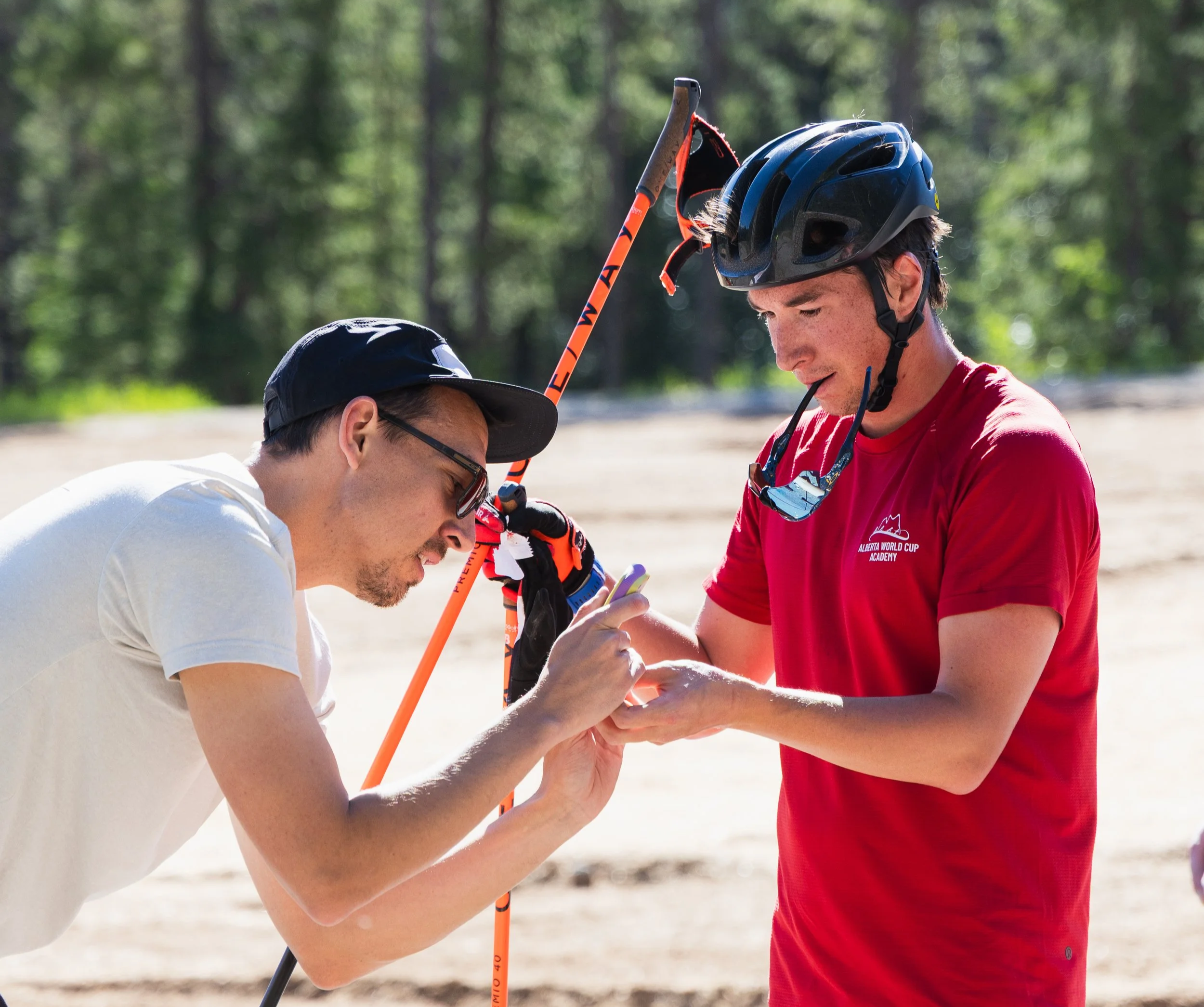
The result of this venture into somewhat of an ‘experiment’ in training was positive, and the difference was especially noticeable when I began competing on the World Cup circuit again. In mass starts during previous seasons, I was typically able to hold on to the lead pack for about 4-5km and then I would hit what I would call a ‘wall of lactic acid,’ forcing me to drop off the pace. This year however, I was able to hold the pace of the leaders for a lot longer and managed to achieve the best distance results of my career so far. From a physiological standpoint the training worked as planned. My ability to follow the leaders for longer meant that my threshold speed had increased and my body wasn’t flooding with lactic acid as quickly. Not only did this inspire some confidence in me during the season, it also gives me immense motivation to see what is possible moving forward as I continue to use this training methodology and refine it to my training program.
Throughout the winter, I found myself trusting my gut instinct and listening to my body a lot, something that I used to not be super good at. Being in tune with your body is extremely important to plan training and ensure that sufficient recovery is being taken. An example of this was right after the Olympic trials. Upon arriving home, I felt quite fatigued and had high heart rates while training, coupled with a slightly scratchy throat in the mornings. Part of me was super motivated to get another good training block in before heading to the World Cup circuit but deep down I knew my body was telling me I needed a break. I ended up taking 3 days off and was able to avoid getting sick. I feel like there is often a stigma around taking breaks from training and not sticking 100% to your training plan. I’ve learned to realize as of late that most times when I would try to push through fatigue or pre-determined ‘yellow flag’ characteristics, I would get sick and take more days off than if I had just rested to begin with.
So now what? After such a successful season, I found myself scratching my head a bit about what to do for the next one. When I’ve had good seasons in the past, I would sometimes get stuck trying to copy and paste that plan to the next year. Doing this usually didn’t work for me as it presented an attitude of settling versus pushing for better and didn’t allow for learning by applying new training sessions or methods.
So, for this season, I’m keeping the same ideology as last year for my training program but refining and adding some things. The biggest difference for my training this year versus last year will be the addition of altitude training camps. Last year was the first summer in 5 summers that I didn’t do an altitude training camp and this year, I will do 2. I’m excited to combine these 2 training camps with post-altitude intensity blocks featuring double threshold days to see how my body reacts.
In addition to the reintroduction of altitude training, another tweak I’m making is with double intensity days. Instead of strictly sticking to double threshold days, my plan is to modify the afternoon workout on specific occasions to include a harder, shorter intensity in the afternoon. Although this workout is supposed to be harder than threshold, the goal is still to maintain some control and not push the body too hard. The target period for this new double-intensity day is post volume, or altitude block.
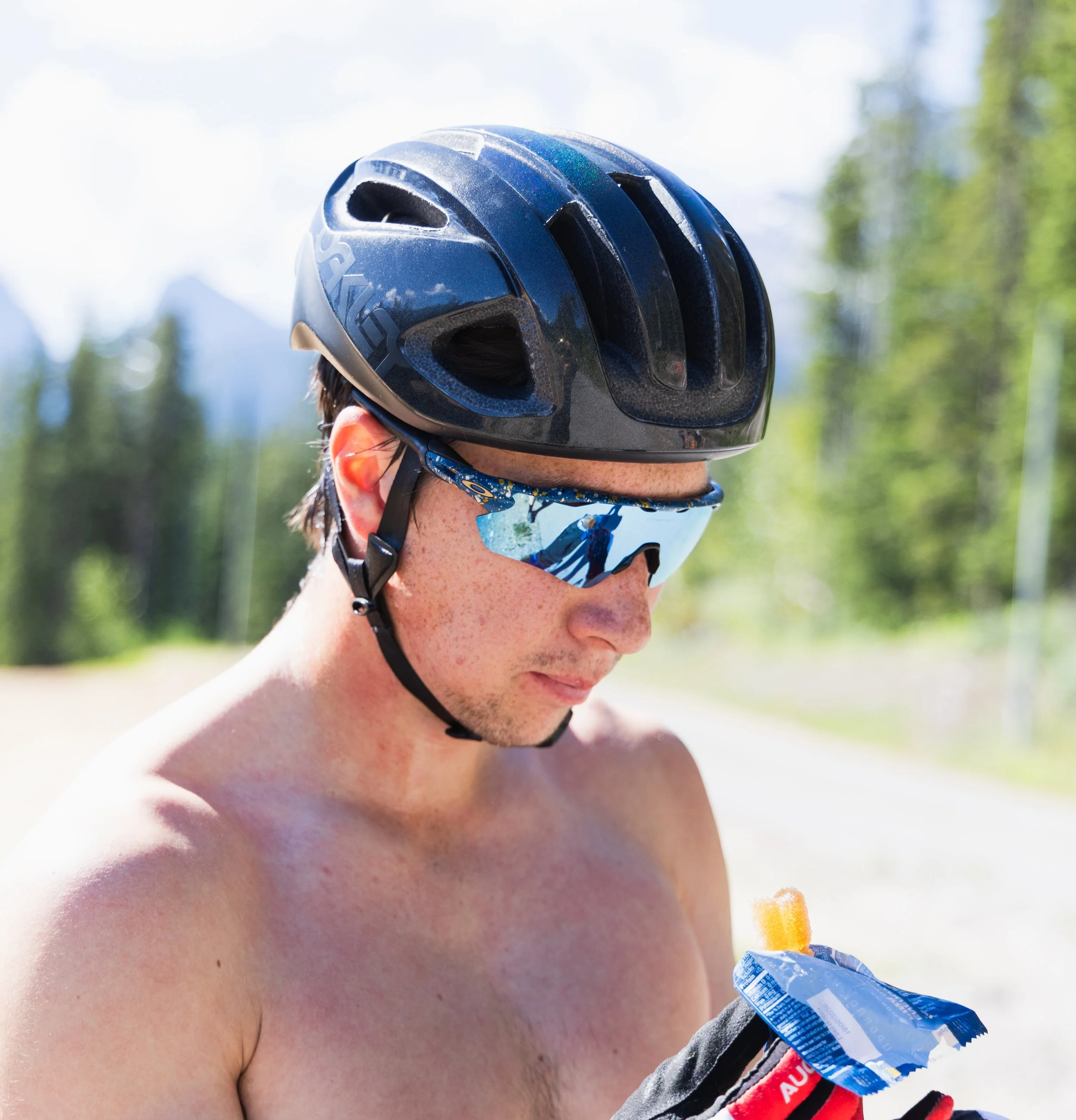
The last major tweak I’m implementing into my training plan is improving my fueling during workouts. As recently as 2 years ago, I would only carry sports drink in my drink belt and eat bars or energy chews during workouts longer than 2 hours. This changed for me last year after I read that one of Ben Ogden’s biggest changes he had made in the past few years was how he fueled during workouts. By putting more carbs into your body, not only can you get more out of a workout but you also recover quicker afterwards. Last year I started out by aiming for around 40 grams of carb per hour but this year I’m trying to get closer to 60 grams per hour. This means that now for a 2 hour workout, I’m eating roughly 2 bars or energy chew packs and drinking a drink belt's worth of sport drink; a sharp contrast from fueling with nothing for the same workout two years ago.
In order to achieve my fuelling goals for this year I’m lucky to have received support from The Feed, a sports nutrition supplier. The Feed has supported thousands of athletes over the years and I’m stoked to be a part of their community. If you would like to order anything from bars, drink mixes, gels, or other supplements, new customers can receive up to 40% their first order and free shipping by using this referral code: https://rstr.co/the-feed/25682